


Coming up
What the evidence says
-
Europe's challenge
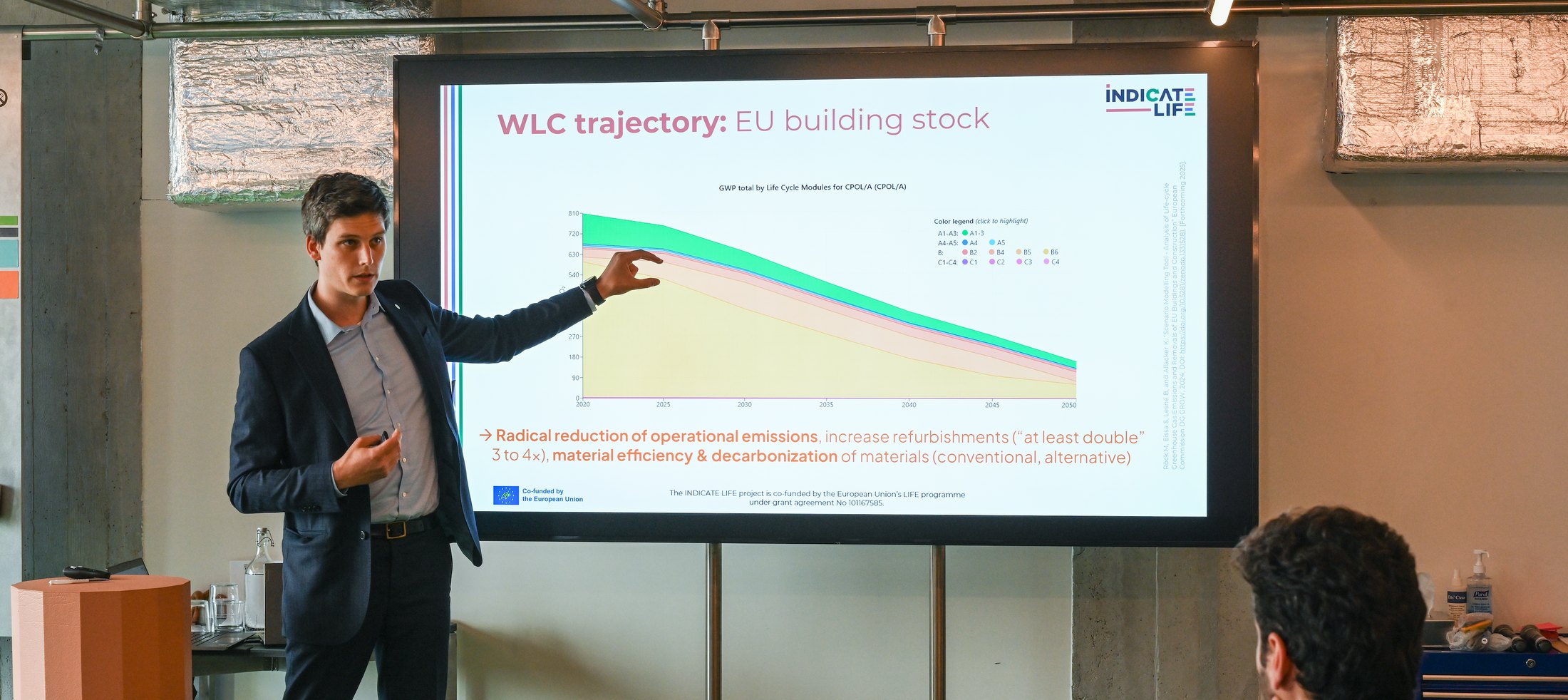
8.5 billion tonnes CO₂e What EU buildings and construction must avoid from 2020 to 2050, about ten years of 2020 emissions. Efficiency and cleaner materials reach only two thirds of it; scaling sufficiency, re-activating existing and under-used buildings, and bio-based materials close most of the gap.
-
Existing potential
50–107 million homes could be created within Europe's existing buildings, housing 120–250 million more people, while avoiding 3.9–19 billion tonnes CO₂ over the next fifty years.
-
Global projections
249 billion tonnes CO₂e The embodied emissions of new urban buildings worldwide to 2100 if we keep building as today. Structural wood with sufficiency and circularity could cut them by up to 64%, and most of that construction will be in Asia and Africa.
-
Emerging regions
3/4 of the world's demand for construction materials to 2050 will be in low- and middle-income countries. They can build the housing and infrastructure the Sustainable Development Goals call for while their per-person CO₂ from structural materials falls.
-
Single buildings
<1/3 The life cycle emissions of a low-tech timber building compared with a low-tech brick and concrete one. Fast-growing materials such as straw cut embodied carbon by up to 58%, where they suit the building.
-
Scaling solutions
73% Lower CO₂ from construction materials by 2050 than business as usual, with technologies available today: 60–80 times the saving from building with more wood instead. The rest takes a mix that avoids, shifts and improves, from sufficiency to efficiency and renewables.
Dunant et al., 2025, Nature Communications; Alaux et al., 2024, Journal of Environmental Management
What we stand for
Within limits
We start from what the planet can bear: carbon budgets and planetary boundaries. Not from what is convenient to reduce.
Enough, then efficient
The lowest-carbon building is the one we do not build new. Renovating, sharing and using space better come before building cleaner.
Whole-system gains
A carbon cut that costs nature, affordability or material justice is not a gain. We count what others leave out.
Open by default
We publish our methods, data and code wherever licences allow, and build shared infrastructure that many can use at once.
What we are working on
Research and advisory work for the European Commission, national governments, international organisations and philanthropic funders.
-
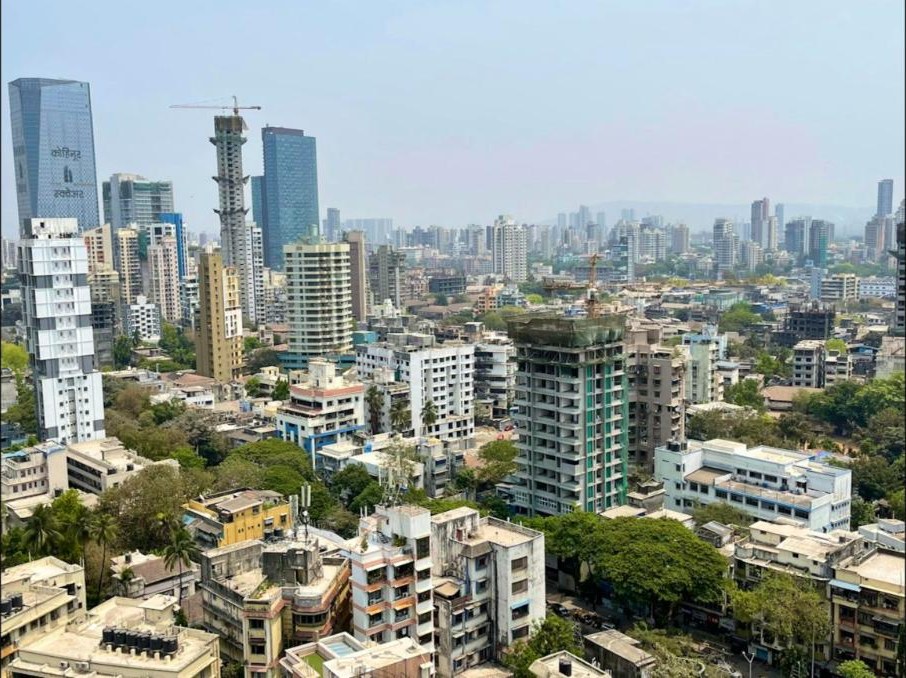 GBDI China and India Cooperation IncubatorExtends the global building data work into the two markets that will add the most floor area this century.
-
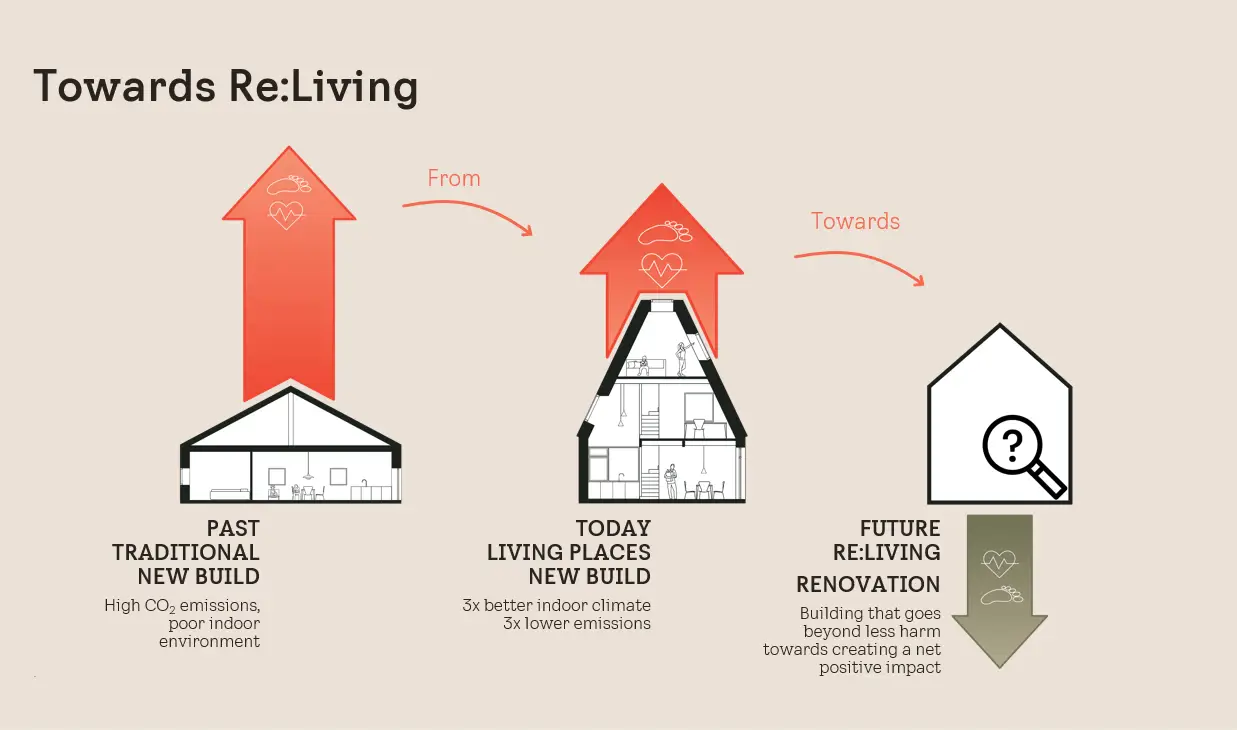 Re:Living - Scaling Renovation: Impact HierarchySet out a hierarchy for action on Europe's housing - renovate first, extend second, build new last - and quantified what following it would save.
-
 Global Whole Life Carbon Tracker for the Built EnvironmentBuilds a global tracker of whole life carbon in construction, so progress can be measured against something.
-
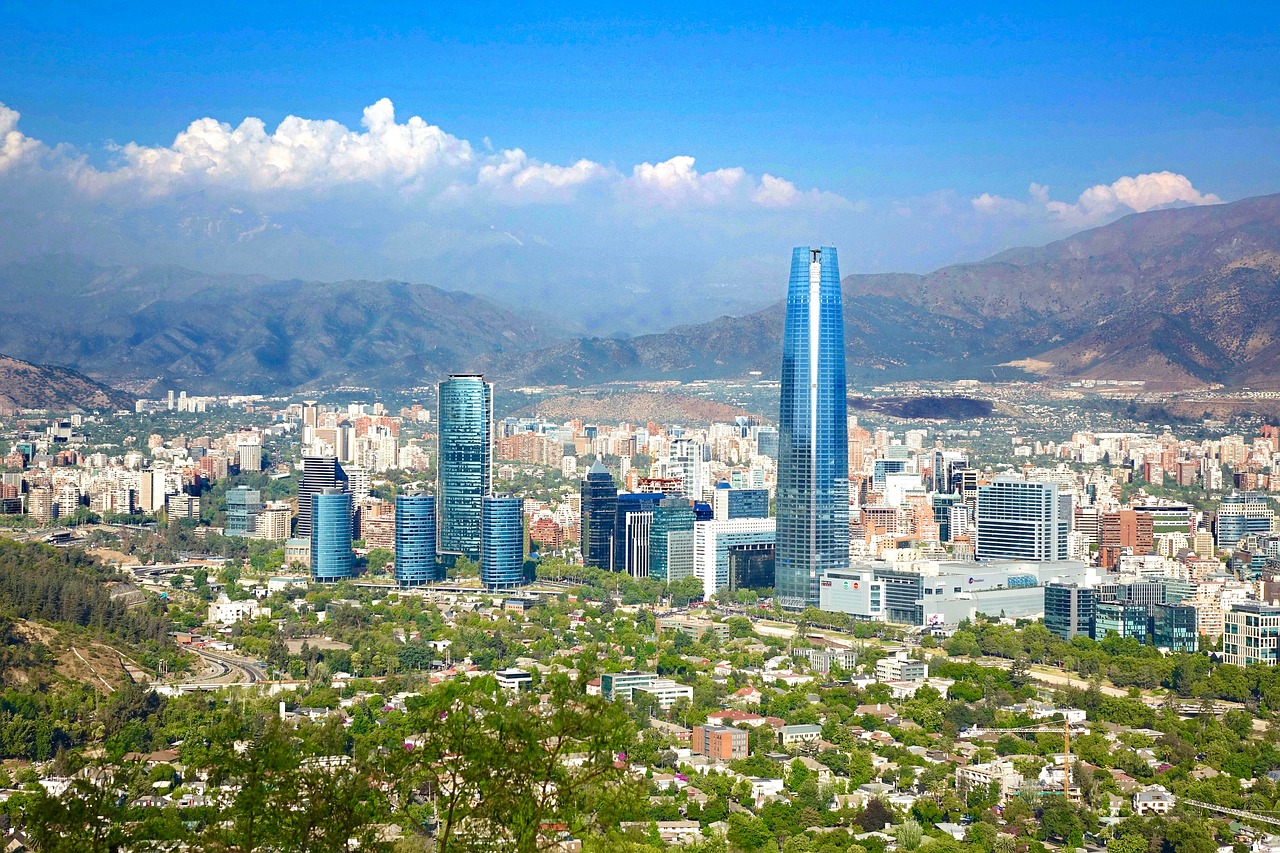 Chile: whole life carbon tool and data harmonisation with OpenBDFAligns Chile's national whole life carbon tool and building database with the open global data format from the start, so the data stays comparable.
-
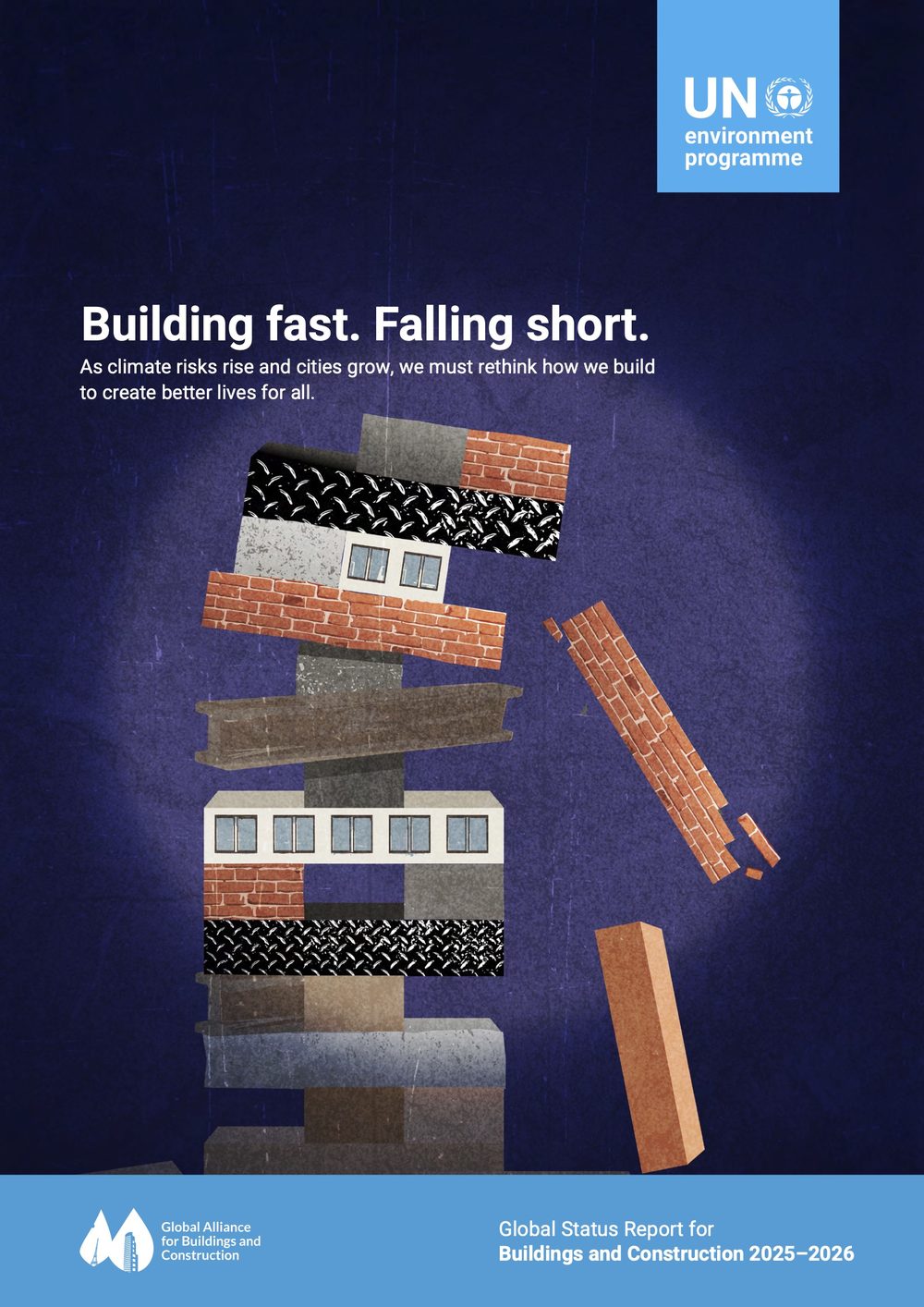 Global Status Report for Buildings and ConstructionThe annual global stocktake of the sector's emissions and progress.
-
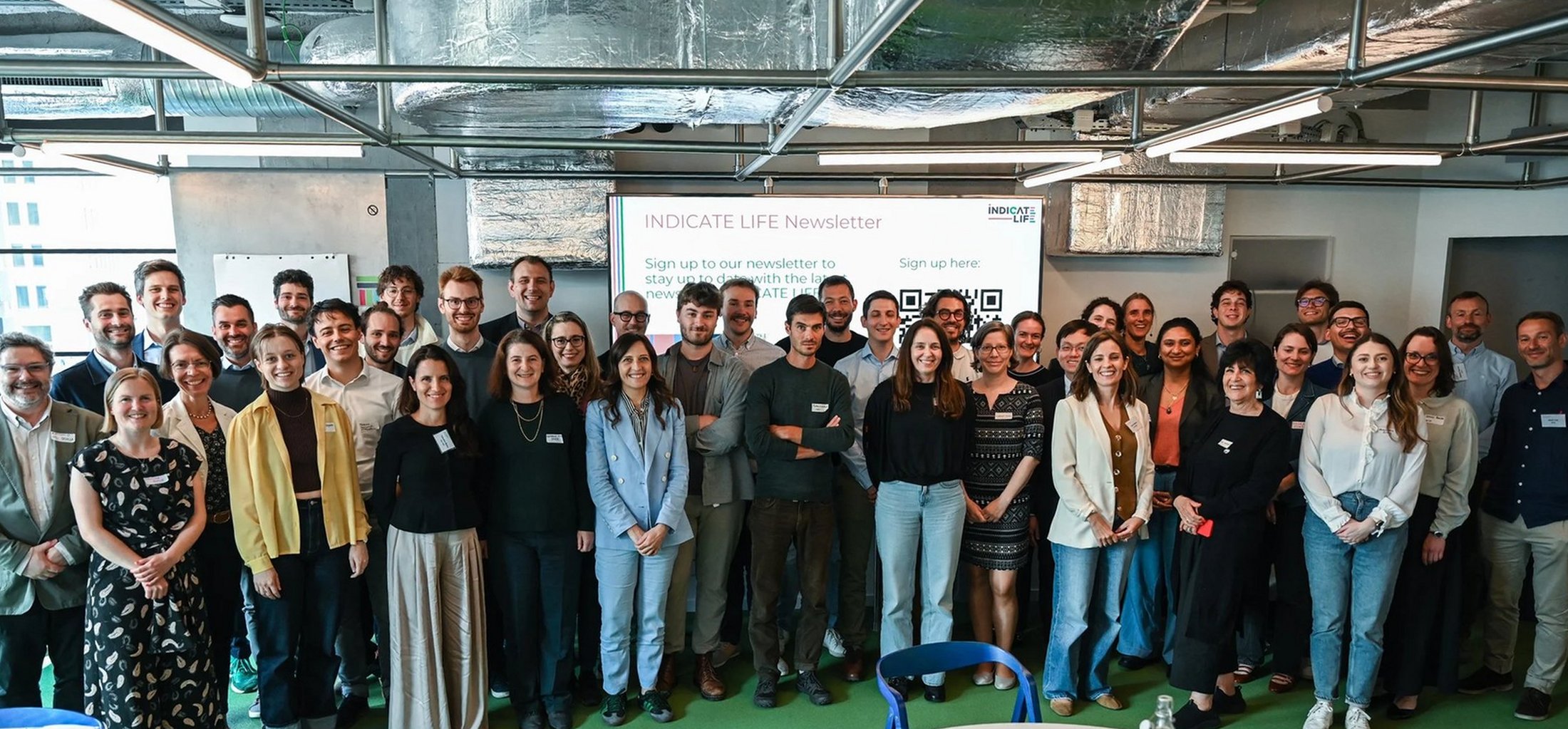
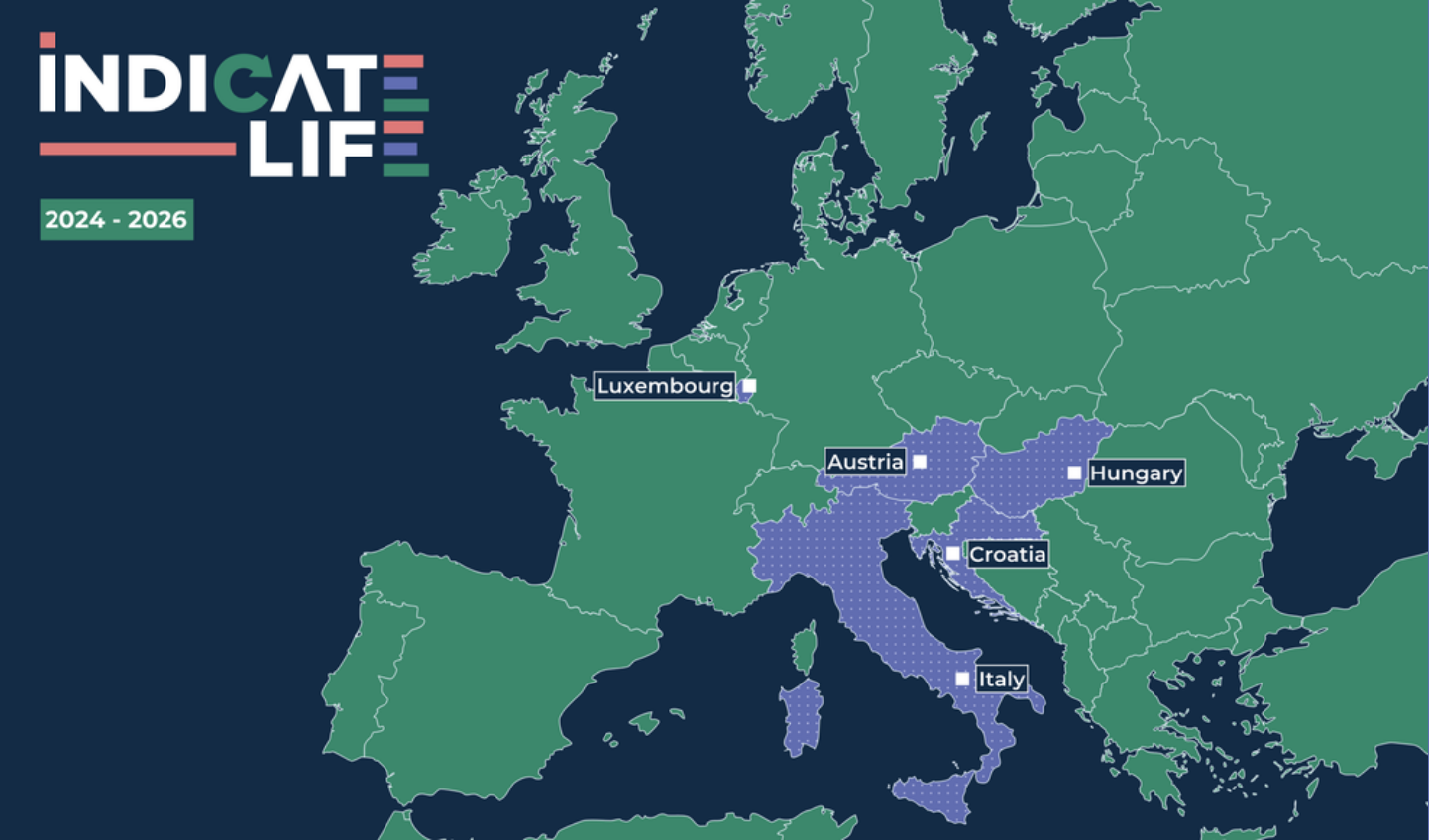 INDICATE LIFE - National Building LCA Data and Policy AcceleratorHelps national consortia generate the building LCA data their governments need to set whole life carbon benchmarks and targets.
The team
Based in Vienna, working with a global network across policy, industry, and research.
-
 Dr. Martin RöckFounding Director and Lead ScientistRISE, GBDI
-
 Barbara Droste-LuckmannHead of Office, Stakeholder and Communications ManagerRISE, GBDI
-
 Dr. Nicole Di SantoSenior Scientist, WLCA and Digital Integrations LeadExtended team · GBDI, EPFL
-
 Dr. Zuhaib BatraSenior Scientist, Global Policy Lead: Energy and EmissionsExtended team · GBDI, EPFL
-
 Darmarajan (Norman) ChinasamyIntern, WLCA Emerging MarketsExtended team · GBDI, UCT
Latest
- GBDI non-profit association foundedThe Global Building Data Initiative has been established as a non-profit association under Austrian law, with RISE in a founding role.
- Urban Heat at COP31: context-specific pathways for EU buildings, 12 NovemberMartin presents the context-specific emissions pathways work in a shared 60-minute session on cooling and clean air, alongside submissions from Ecuador, India, Ethiopia and China.
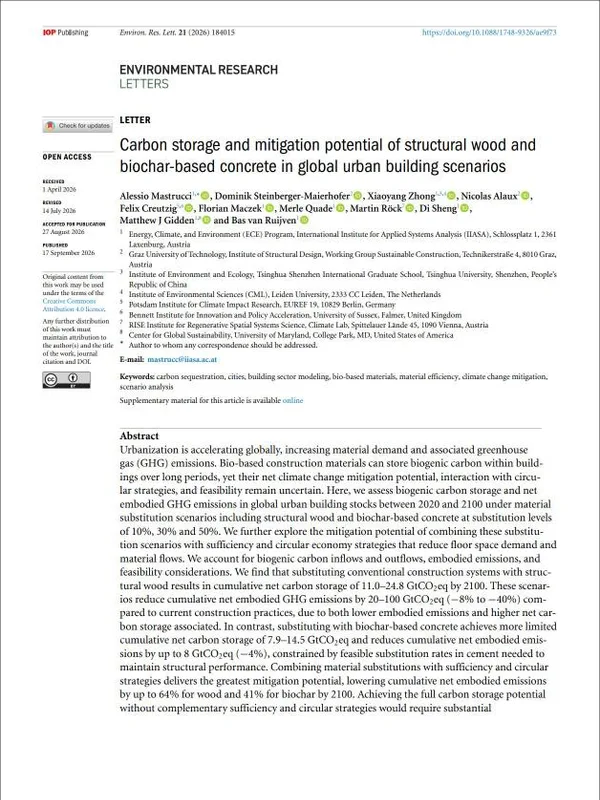
- How much carbon wood and biochar could store, in Environmental Research LettersNew work led by IIASA on what bio-based construction could hold to 2100, and why sufficiency and circularity decide whether the material switch is feasible at all.
- Two whole life carbon sessions at COP31, 16 NovemberBetter data in the morning, what to do with it in the afternoon: two COP31 sessions on the gap between measuring carbon and managing it, the second presenting CLEAR.
- Whole Life Carbon Network and INDICATE LIFE closing event, 21 October in BrusselsA day of roundtables and discussion on turning whole life carbon data into benchmarks, policy and investment decisions - and on what INDICATE LIFE leaves behind.
- Leadership Panel at IGBC Green Building Congress 2026, MumbaiMartin Röck joins the opening Leadership Panel on global pathways to green, resilient and net-zero built environments, 26 November in Mumbai.
Recent publications
We publish our methods, data and code openly wherever licensing allows. Get in touch to learn more.
- Context-specific life cycle emissions pathways for EU buildings and construction
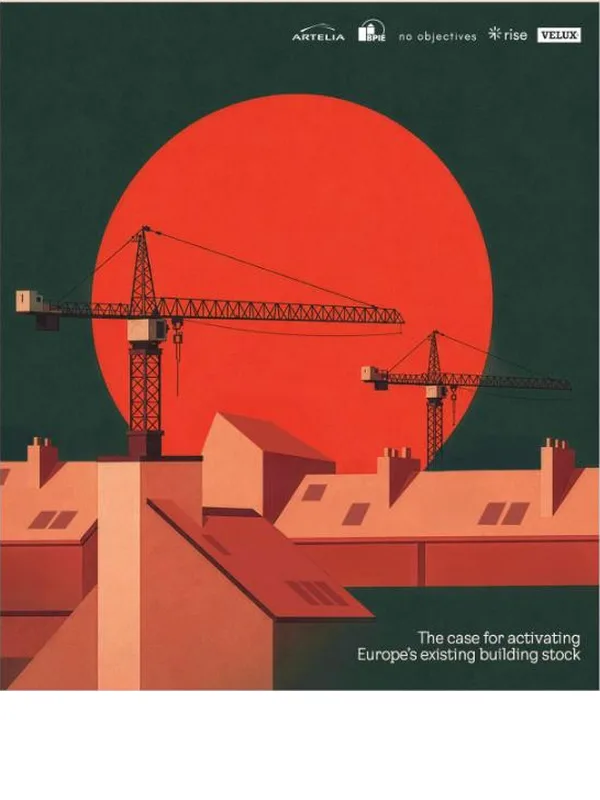
- The housing we need for the future we want
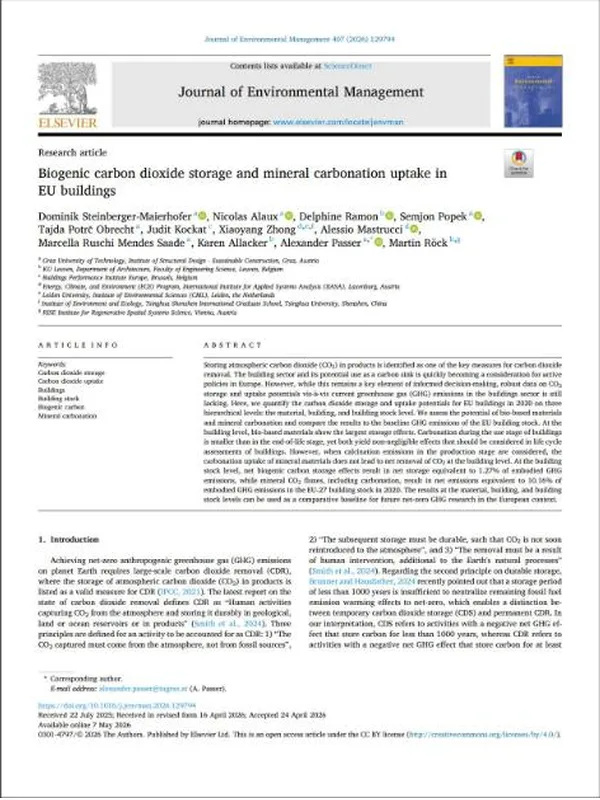
- Biogenic carbon dioxide storage and mineral carbonation uptake in EU buildings
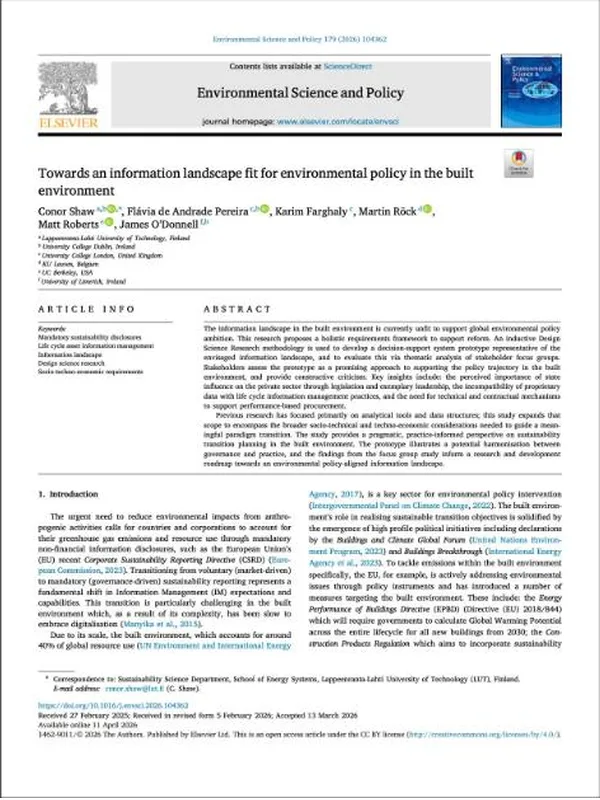
- Towards an information landscape fit for environmental policy in the built environment
- Carbon storage and mitigation potential of structural wood and biochar-based concrete in global urban building scenarios
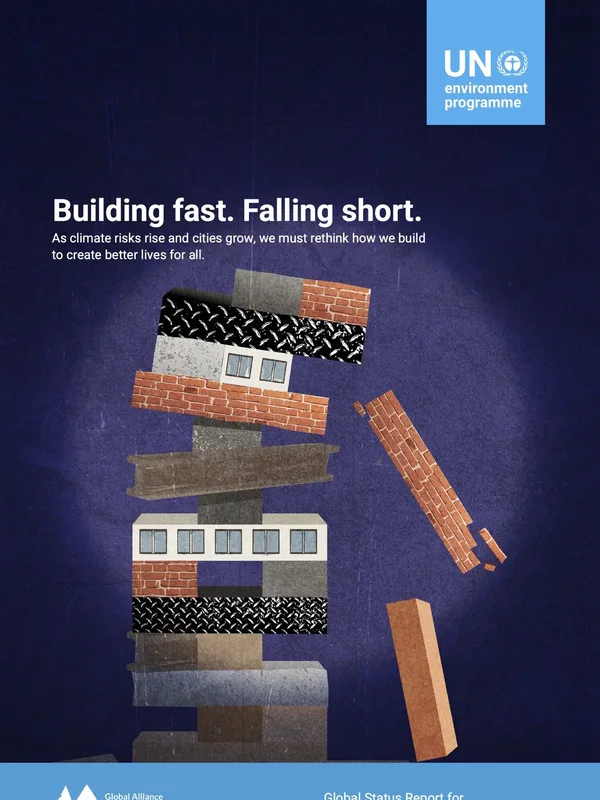
- Global Status Report for Buildings and Construction 2025–2026: As climate risks rise and cities grow, we must rethink how we build to create better lives for all
Who we work with
The European Commission, UN agencies, national governments, research institutes and philanthropic funders use our work to set targets, write rules and fund change.
 World Green Building CouncilLondon, United Kingdom
 Smith InnovationCopenhagen, Denmark
 BPIEBrussels, Belgium
 IIASALaxenburg, Austria
 European Commission, DG GROWBrussels, Belgium
 UNEP GlobalABCNairobi, Kenya
 Laudes FoundationZug, Switzerland
 Global Industry HubSeoul, South Korea
 EPFLLausanne, Switzerland
 KU LeuvenLeuven, Belgium
What people say
Martin consistently demonstrated a deep understanding of the subject matter, contributing valuable insights to every study. His work was always of the highest quality and delivered with exceptional clarity.
Policy Officer, European Commission, DG ENERGY
LinkedIn recommendation, August 2024
Martin is a fantastic partner at work: he combines bottomless scientific knowledge of carbon in buildings with the ability to organise and steer complex studies with strategic implications.
Managing Director, Ramboll Management Consulting Belgium
LinkedIn recommendation, October 2024
Martin is an inspiring data scientist who has a unique ability to understand how building LCAs can create climate policy and industry action and is a skilled communicator.
Partner, Smith Innovation
LinkedIn recommendation, October 2024 · INDICATE
Work with us
We would rather hear the problem than the brief. We cover the whole life cycle, from cost and carbon to environmental and, increasingly, social impacts, and every scale from a single building to national and global building stocks. Tell us the decision in front of you, and we will tell you what evidence would hold up.
-
You need numbers you can trust
Commission a baseline, benchmark, limit value or scenario study.
For example: EU whole life carbon roadmap · European embodied carbon benchmarks
-
You are (re-)writing the rules
Bring us in for targets, methods and roadmaps, from first draft to impact assessment.
For example: Global Status Report · Agora lead markets
-
Research partnership
You are developing a project
Bring us in as partner or work package lead: life cycle cost, carbon and impacts, from single buildings to global stocks.
For example: Global Whole Life Carbon Tracker · EU buildings emissions analysis
-
You want change that lasts
Fund an initiative that builds shared data and capacity, from pilot to self-sustaining.
-
You want to put data to work
Join a data programme: collect, harmonise and use comparable whole life carbon data to set benchmarks and policy in your country.
For example: INDICATE LIFE · Chile data harmonisation
-
You are trying something new
Renovation first, shared housing, bio-based materials: we measure what it saves, and what it would take to scale.
For example: Re:Living · CollaborativeCarbon
Looking for training, a workshop or a speaker, or something else entirely? Write to office@riselabs.at.
Not sure where you fit? See the eight questions we answer →